Transform Your Outdoor Space with Expert Landscape Design Tips Apr 11, 2026
Begin by assessing your outdoor space. Understanding the unique features and challenges of your yard is essential. Take into account the size, shape, and sunlight patterns. Observe areas that need improvement and those that already have a natural allure. This initial evaluation allows you to tailor your landscape design to your specific environment, ensuring a harmonious balance between natural elements and personal style.
Planning is the next crucial step in landscape design. Sketch out a basic plan that includes all existing elements like trees, pools, or pathways. Imagine how these components can be enhanced or complimented with planting beds, garden decorations, or water features. Consider the function of each area. Do you need a play space for children, a relaxing patio, or perhaps a garden to grow vegetables? Clearly defining the purpose of each section will help in selecting plants and materials that best suit your needs and lifestyle.
When selecting plants, think about variety and sustainability. Choose a mix of perennials and annuals to ensure color and interest throughout the year. Native plants are a smart choice as they are adapted to the local climate and require less water and maintenance. Additionally, incorporating a variety of textures, colors, and heights will add depth and dimension to your garden. Group plants with similar water and sunlight needs together to reduce maintenance and increase the efficiency of your landscape design.
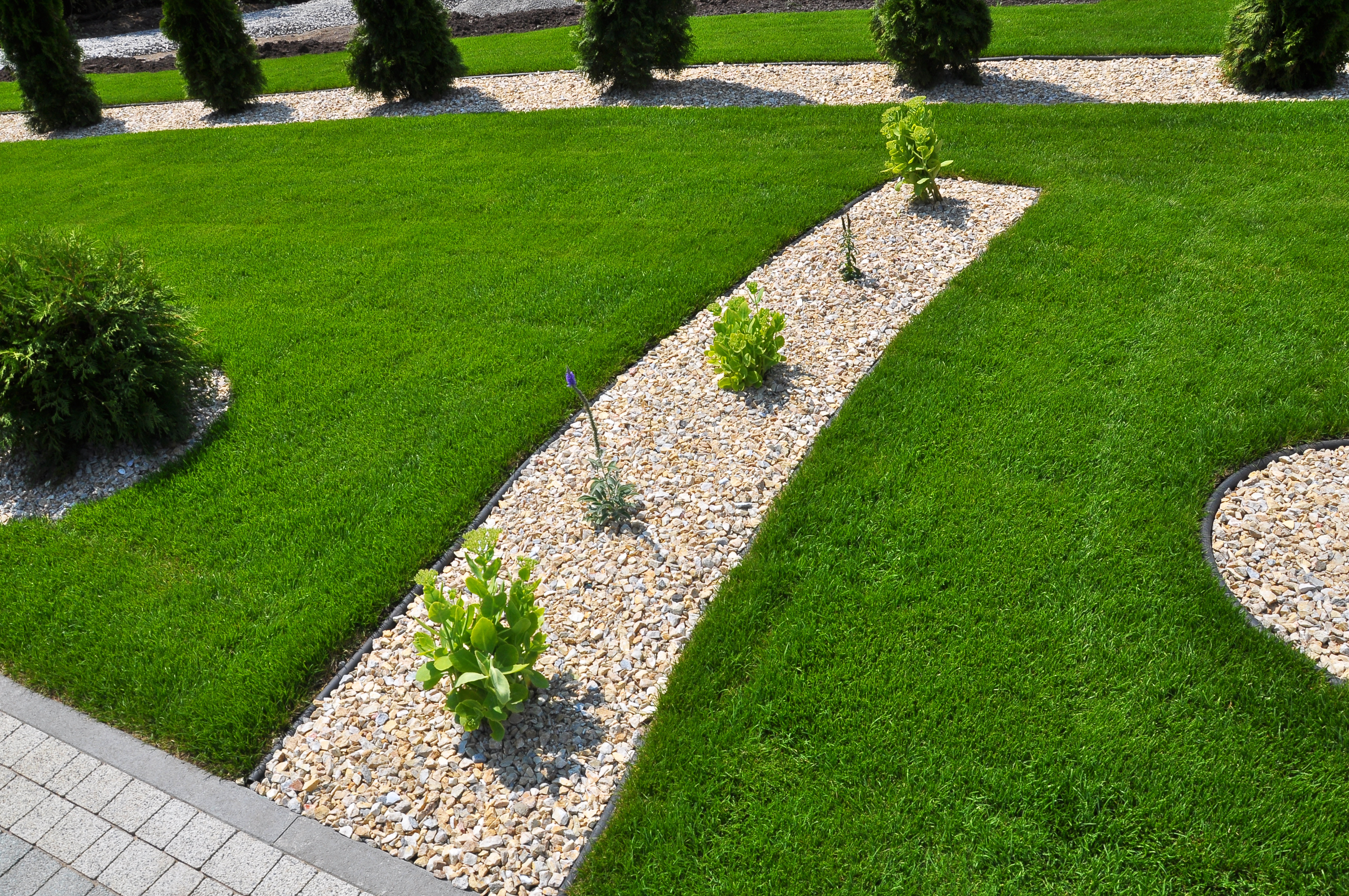
Hardscaping is another vital component. This includes elements like patios, walkways, and walls. Hardscaping not only adds structure but can also enhance the functionality and beauty of your outdoor space. Materials such as stone, brick, or wood can complement your home’s architecture and the natural surroundings. Well-placed pathways can lead the eye through the landscape, creating a seamless flow and encouraging exploration.
Lighting is an often-overlooked aspect of landscape design that can have a significant impact. Illumination provides safety, security, and extends the usability of your outdoor spaces into the evening. Use a combination of uplighting to highlight architectural features, downlighting for pathways, and solar lights for an eco-friendly solution.
Maintenance is key to preserving your landscape. Setting up an irrigation system can save time and water, ensuring that your plants receive the appropriate moisture levels. Regular tasks like mowing, pruning, and weeding can prevent overgrowth and maintain the neat appearance of your yard.
In conclusion, transforming your outdoor space with expert landscape design can be a fulfilling project that increases your home’s curb appeal and enjoyment. By understanding your space, planning meticulously, selecting the right plants and materials, incorporating hardscape features, and managing your garden effectively, you can create a landscape that is both beautiful and functional. For personalized design and professional landscaping services, MDR Landscaping is ready to assist you every step of the way.
/filters:no_upscale()/filters:format(webp)/media/0c4ab100-bdff-4573-9b26-157b12faad58.jpeg)