Sustainable Landscaping Practices for a Greener Tomorrow Apr 09, 2026
Sustainable landscaping practices start with selecting the right plants. Native and drought-tolerant plants are excellent choices because they are naturally adapted to the local climate, requiring less water and maintenance. These plants can thrive with minimal intervention, making them both sustainable and cost-effective. Additionally, integrating a variety of plant species enhances biodiversity, which supports local wildlife and contributes to a balanced ecosystem.
Water conservation is another cornerstone of sustainable landscaping. Implementing an efficient irrigation system, such as drip irrigation, can significantly reduce water usage. Drip irrigation targets the root zone of plants, ensuring that water is used effectively and minimizing waste. Moreover, collecting rainwater in barrels for landscape irrigation is a smart way to employ natural resources, and it can provide supplemental water supply during dry periods.
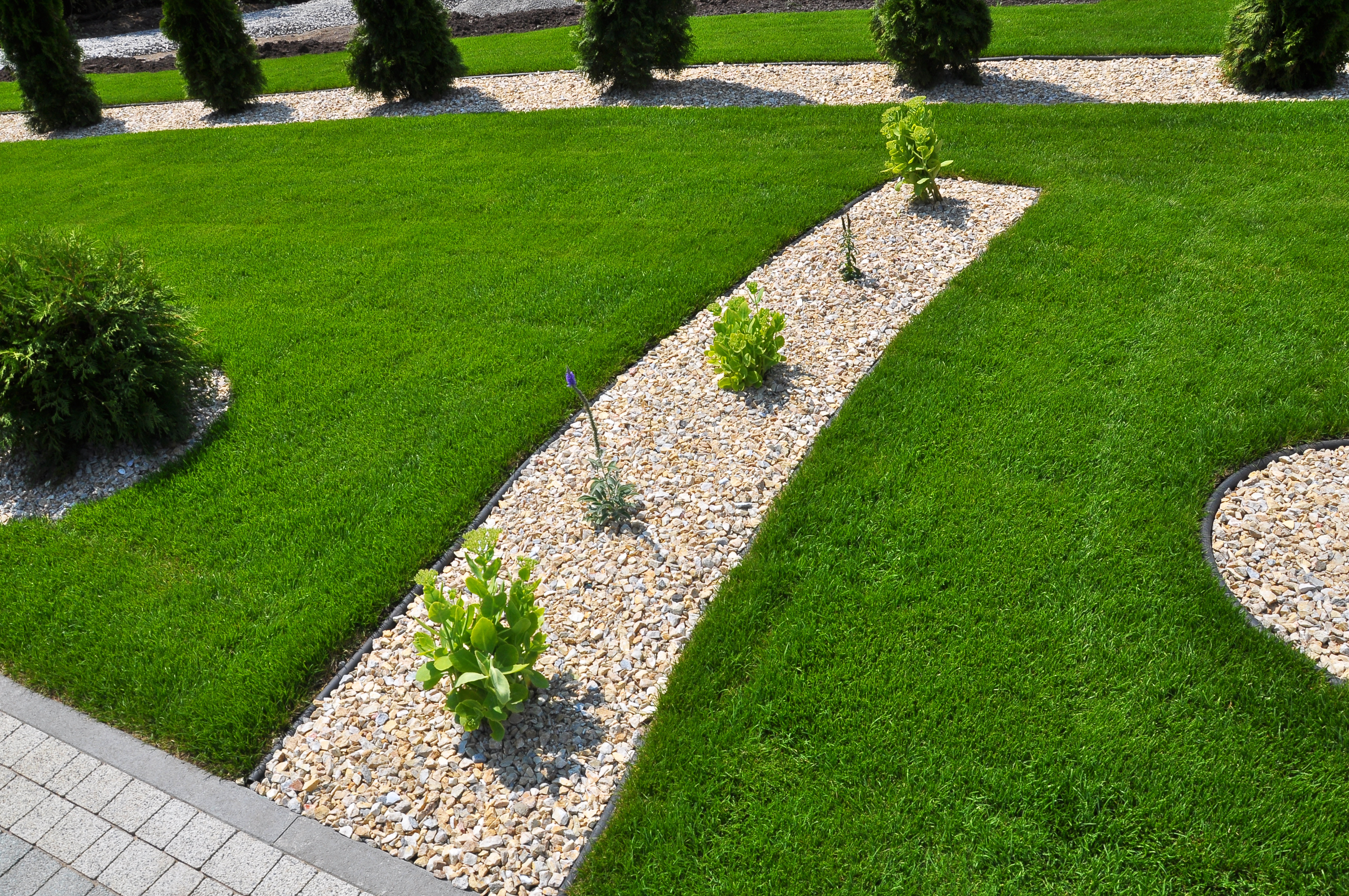
The use of permeable paving materials is also a noteworthy aspect of sustainable landscape design. Permeable surfaces, such as gravel or permeable concrete, allow rainwater to filter through and percolate into the soil, reducing surface runoff and erosion. This practice not only supports groundwater recharge but also helps prevent flooding and water pollution in urban areas. Incorporating green roofs and living walls into landscape design offers additional opportunities to capture rainwater and improve air quality.
Composting organic waste is yet another practice that aligns with sustainability goals. Composting grass clippings, leaves, and kitchen scraps diverts waste from landfills and creates a nutrient-rich soil amendment. This natural fertilizer enhances soil structure and enriches the garden, reducing the need for synthetic fertilizers that can harm local ecosystems when not used responsibly. By fostering a closed-loop system of waste and resource management, gardeners can promote a healthier planet.
The principle of "right plant, right place" is crucial for sustainable landscaping. Placing the appropriate plants in suitable locations reduces the need for fertilizers, pesticides, and excessive maintenance. This not only conserves resources but also minimizes chemical runoff, promoting a cleaner and safer environment.
The aesthetic aspect of landscaping should not come at the cost of sustainability. Careful design can result in beautiful landscapes that are also ecologically responsible. Thoughtful planning, using artful layouts and choices like rock gardens or wildflower meadows, can provide visual appeal while supporting environmental health.
MDR Landscaping is committed to helping our clients transition to sustainable landscaping practices. We strive to make outdoor spaces not only visually stunning but also ecologically sound. By choosing sustainable options, you contribute to a healthier planet and create a legacy of environmental stewardship that will benefit future generations.
In conclusion, sustainable landscaping is a dynamic and rewarding process that offers numerous ecological, economic, and aesthetic benefits. By adopting sustainable practices, you are paving the way for a greener, more prosperous tomorrow. Whether you are starting from scratch or looking to enhance your existing landscape, MDR Landscaping is here to guide you every step of the way in creating a sustainable outdoor haven that you can enjoy for years to come.
/filters:no_upscale()/filters:format(webp)/media/0c4ab100-bdff-4573-9b26-157b12faad58.jpeg)